搜索网站、位置和人员





走进西湖
院系设置
开云app官网下载安卓
招生与奖励
新闻与活动
校园生活
开云体育登录入口网页版官网下载
人才招聘
师生入口
新闻与活动 活动信息
生命科学专题学术讲座 | Xiaofei Yu: Dissecting the behavior-modifying role of T cells in response to stress
时间
2021年10月12日星期二
16:00-17:30
地点
西湖大学云栖校区3号楼312会议室
主持
西湖大学生命科学学院特聘研究员 何丹阳
受众
全体师生
分类
学术与研究
生命科学专题学术讲座 | Xiaofei Yu: Dissecting the behavior-modifying role of T cells in response to stress
时间:10月12日星期二16:00-17:30
Time:4:00-5:30 PM,Tues., Oct. 12,2021
地点:西湖大学云栖校区3号楼312会议室
Venue: Room 312, 3F, Building 3, Yunqi Campus
主持人:西湖大学生命科学学院研究员 何丹阳
Host:Dr. Danyang He, School of Life Sciences
主讲嘉宾/Speaker:
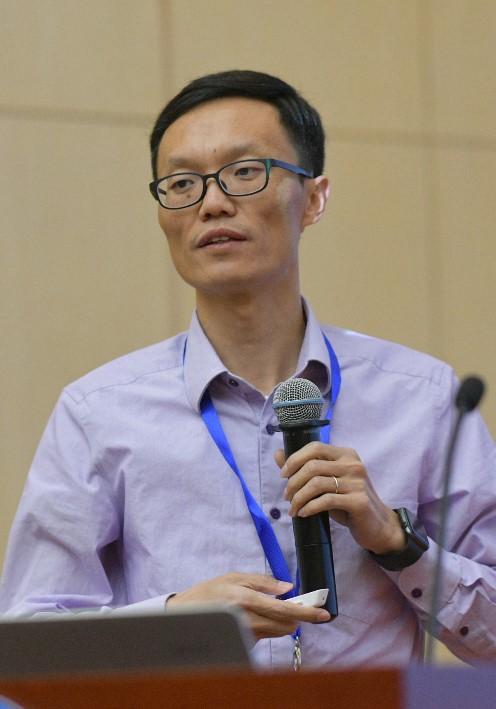
Dr. Xiaofei Yu,Fudan University
Xiaofei got his Bachelor’s degree from Fudan University and a Master degree from Iowa State University. He was trained in Dr. Lora Hooper’s lab at UTSouthwestern on host-microbe interaction, where he discovered regulation of intestinal T cell development by the circadian clock. He then moved on to join Dr. Jeff Friedman’s lab at the Rockefeller University, the lab that discovered Leptin as a peripheral metabolic signal to regulate neuron activities, feeding behaviors and thus metabolism. Xiaofei aimed to study how the immune responses during infection modulate feeding behaviors and underlying neural circuits, butmade an unexpected discovery of immune modulation of stress response, which he will talk about today. Xiaofei joined the School of Life Sciences at Fudan University as a principal investigator in early 2019 and his lab is focusing on the local and remote regulatory effects of intestinal immune responses. Xiaofei has earned a few notable awards in his career, including the Dean’s Discretionary Award for Academic and Research Excellence at UTSouthwestern, a HHMI postdoctoral Fellowship of the Helen Hay Whitney Foundation, 1000 talent (Youth program) award and 1000 talent (Shanghai).
讲座摘要/Abstract:
The stress response is the behavioral and/or physiological adaptation of an organism to aversive environmental stimuli in order to survive. While the stress response is advantageous for survival, maladaptive responses to chronic stress could lead to various deliberating diseases such as Anxiety Disorders, Major Depression and Autism. Though immune reactions have been implicated in stress responses as well as the pathophysiology of stress-related diseases, the underlying neural circuits and molecular signaling cascades are largely unknown. Here, we dissected immune-neuron interaction by examining stress-induced anxiety in the T cell-deficient TCRb-/- mice. We found that cytokines produced by T cells could function as neural modulators and modify mouse behavioral responses to stress. Stress led to changes in the blood, which skewed lineage specification of T cells and potentiated cytokine production. We are currently working on the identification of stress-induced blood factors that could regulate T cell differentiation. Together, our work has yielded mechanistic insights into the integral immune-neural circuit that underlies stress responses and provided potential therapeutic targets to treat stress-related diseases such as anxiety.
联系人/Contact:
生命科学学院
于文越 yuwenyue@westlake.edu.cn